Research & Education
The Science of
Functional Mushrooms
For thousands of years, cultures around the world have turned to mushrooms for wellness support. Today, modern science is beginning to understand why. Explore the bioactive compounds, traditional wisdom, and contemporary research behind the fungi that power MYCOLABZ.
Understanding Fungi
What Are Functional Mushrooms?
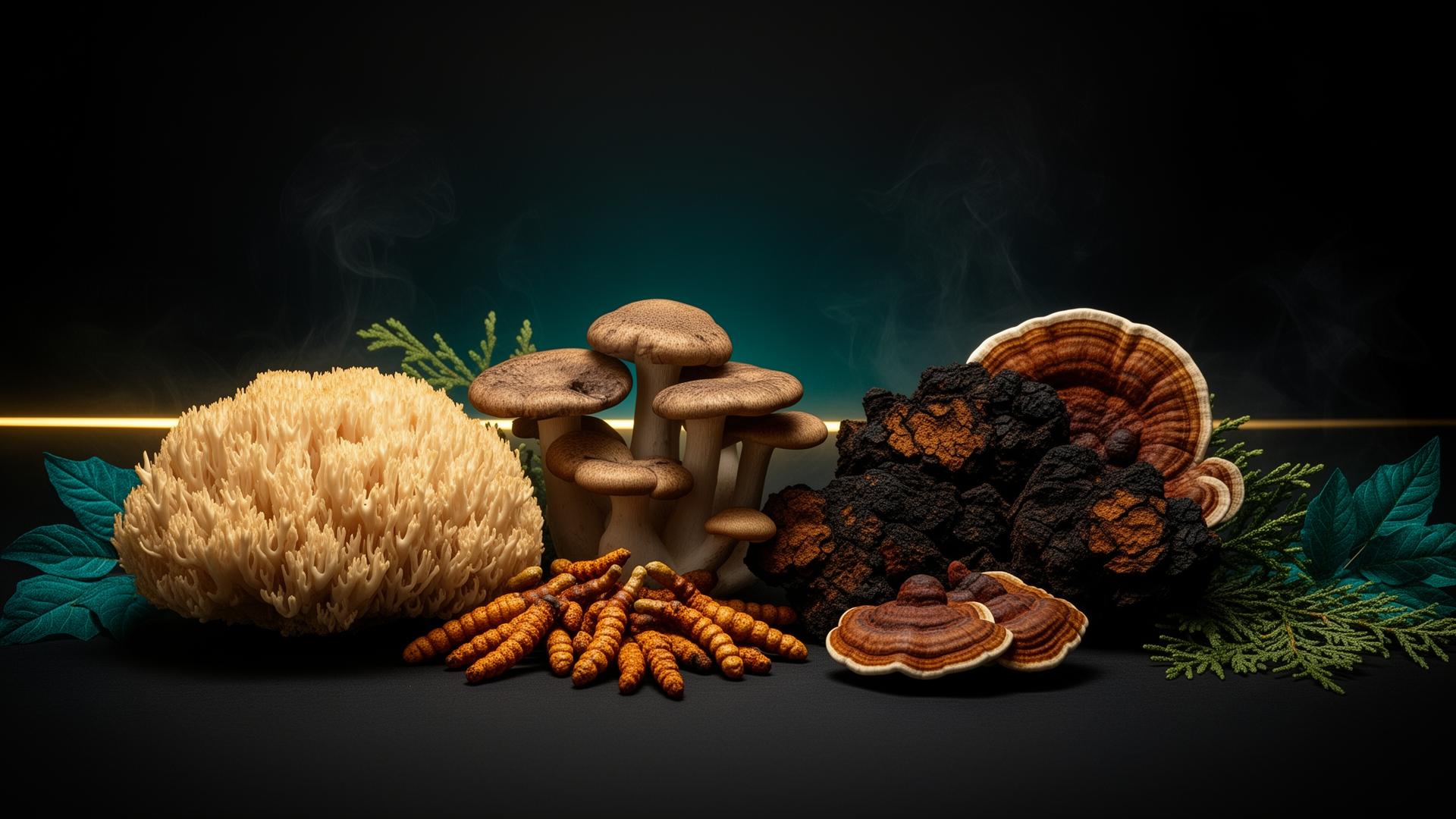
Functional mushrooms are a class of fungi that contain bioactive compounds with properties that go beyond basic nutrition. Unlike common culinary mushrooms, functional species — such as Lion's Mane, Reishi, Cordyceps, Chaga, and Turkey Tail — produce unique metabolites including beta-glucans, triterpenes, polysaccharides, and adaptogens that interact with the body's natural systems.
Adaptogens
Adaptogenic mushrooms help the body adapt to occasional stress by supporting homeostasis — the body's natural state of balance. They work with your physiology, not against it, promoting resilience without overstimulation.
Bioactive Compounds
Functional mushrooms produce hundreds of bioactive metabolites — from immune-modulating beta-glucans to neuroprotective hericenones. These compounds interact with cell receptors and biological pathways throughout the body.
Key Bioactive Compounds
The building blocks of mushroom wellness
Beta-Glucans
Complex polysaccharides that interact with immune cell receptors to support the body's natural defense systems.
Triterpenes
Naturally occurring compounds found in Reishi and Chaga that support the body's inflammatory response and overall balance.
Polysaccharides
Long-chain carbohydrates that serve as prebiotics and support gut health and immune modulation.
Adaptogens
Bioactive compounds that help the body adapt to occasional stress and support homeostasis.
Antioxidants
Protective compounds that help neutralize free radicals, supporting cellular health and vitality.
Hericenones
Unique compounds in Lion's Mane that may support nerve growth factor production and cognitive function.
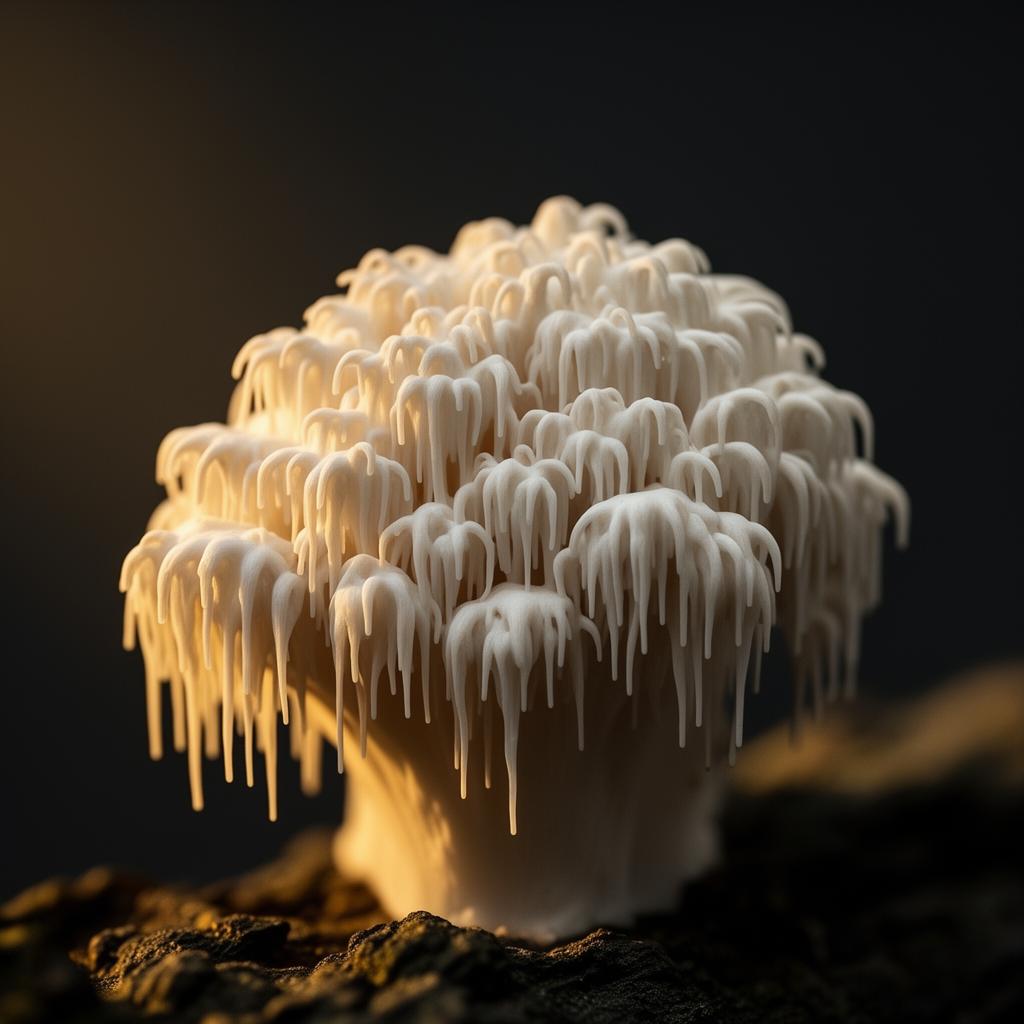
Hericium erinaceus
The Cognitive Mushroom
Lion's Mane
Lion's Mane is a striking, white, cascading mushroom prized in both culinary and wellness traditions. Its unique appearance resembles a flowing mane, but it's the compounds within that have captured the attention of modern researchers.
Key Active Compounds
How It Works
The bioactive compounds hericenones and erinacines are of particular interest to researchers studying nerve growth factor (NGF). NGF plays a crucial role in the growth, maintenance, and survival of neurons — the cells responsible for cognitive function, memory, and learning.
Primary Wellness Benefits
- Cognitive function & mental clarity
- Memory & focus support
- Nervous system wellness
- Mood & emotional balance
Traditional Usage
Used for centuries in traditional Chinese medicine as a tonic for the mind and digestive system. Buddhist monks reportedly consumed Lion's Mane tea to enhance concentration during meditation.
Modern Research Interest
Modern studies are investigating Lion's Mane's potential to support neuroplasticity and cognitive health. Research into hericenones and erinacines continues to expand our understanding of how fungi may support brain wellness.
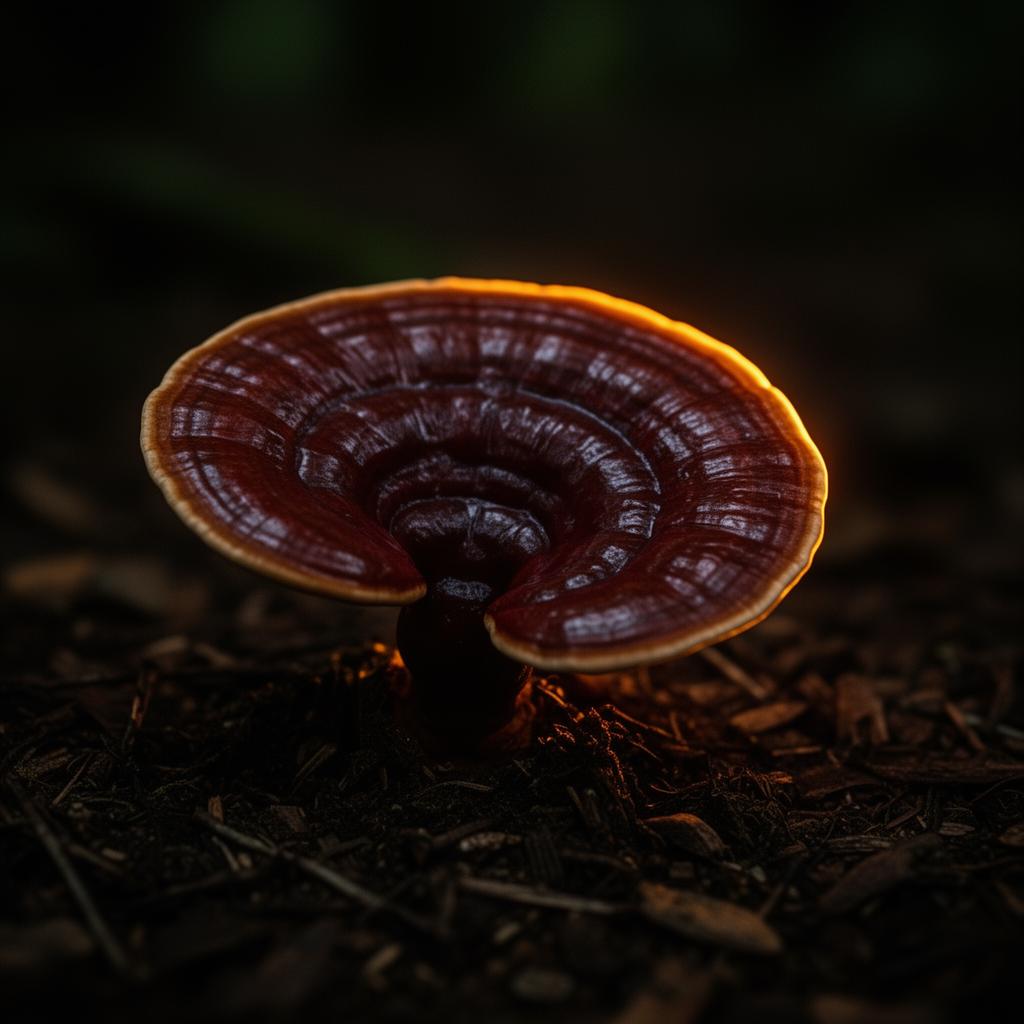
Ganoderma lucidum
The Mushroom of Balance
Reishi
Known as the "Mushroom of Immortality" in traditional Eastern medicine, Reishi's glossy, lacquered cap has made it one of the most recognizable and revered mushrooms in the world. It has been used for over 2,000 years as a symbol of health and longevity.
Key Active Compounds
How It Works
Reishi's triterpenes — particularly ganoderic acids — interact with multiple pathways in the body related to immune modulation, the stress response, and inflammatory balance. Its adaptogenic properties help the body maintain equilibrium under occasional stress.
Primary Wellness Benefits
- Stress management & relaxation
- Immune system modulation
- Sleep quality support
- Overall balance & well-being
Traditional Usage
Reishi has been a cornerstone of Traditional Chinese Medicine (TCM) for millennia, revered by emperors and healers alike. It was historically reserved for royalty and symbolized divine power, spiritual potency, and longevity.
Modern Research Interest
Contemporary research is exploring Reishi's role in immune modulation, stress resilience, and sleep quality. Studies on its triterpene content continue to reveal the complexity of its bioactive profile.
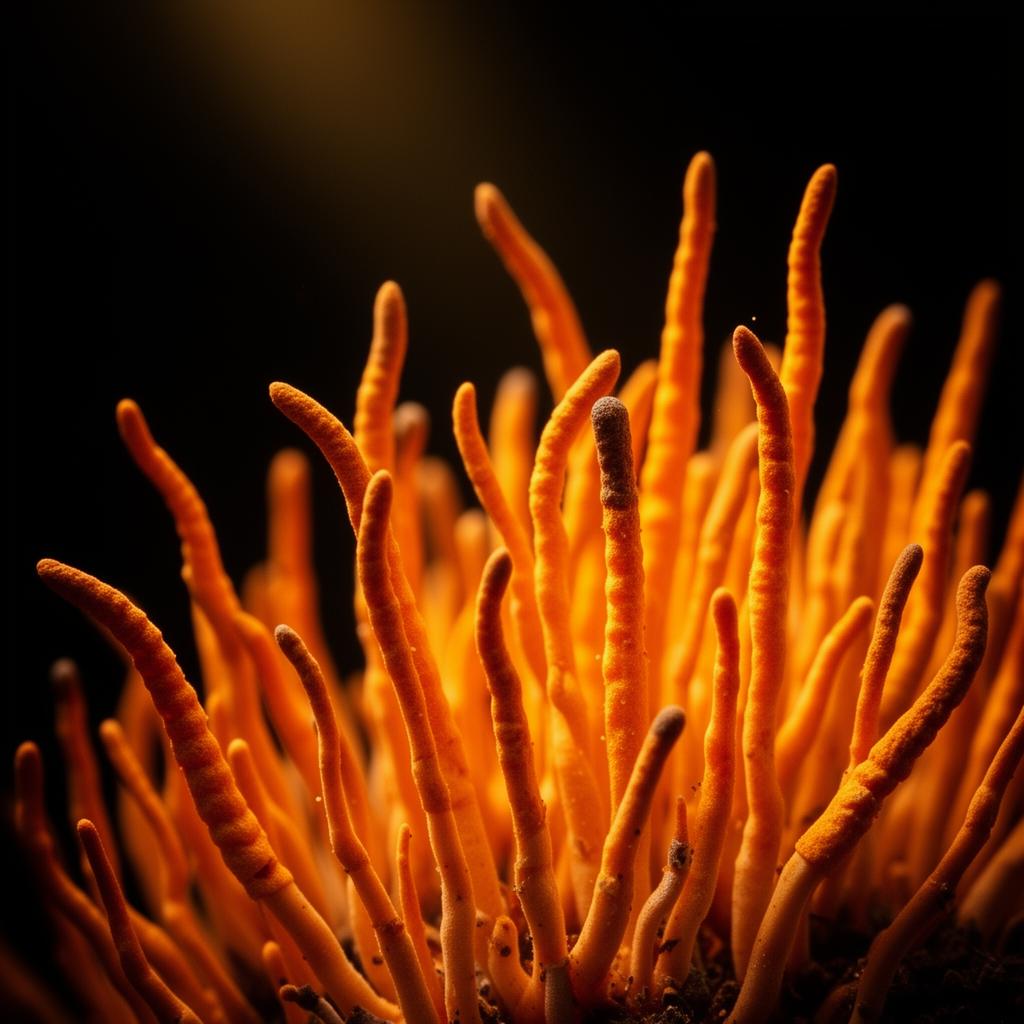
Cordyceps militaris
The Performance Mushroom
Cordyceps
Cordyceps is a genus of fungi with a fascinating life cycle, historically found at high altitudes in the Himalayan plateau. Modern cultivation of Cordyceps militaris has made this once-rare mushroom accessible, bringing its energizing properties to everyday wellness.
Key Active Compounds
How It Works
Cordycepin and adenosine — key compounds in Cordyceps — are structurally related to ATP, the body's primary energy currency. Research suggests these compounds may support cellular energy production and oxygen utilization during physical activity.
Primary Wellness Benefits
- Natural energy & stamina
- Exercise performance support
- Oxygen utilization
- Recovery & endurance
Traditional Usage
Tibetan herders first noticed their yaks becoming more energetic after grazing on Cordyceps-rich pastures. It became a prized tonic in Tibetan and Chinese medicine for vitality, stamina, and respiratory health.
Modern Research Interest
Modern interest in Cordyceps surged after Chinese athletes attributed their record-breaking performances in the 1993 National Games to Cordyceps supplementation. Research continues into its effects on VO2 max, ATP production, and exercise capacity.
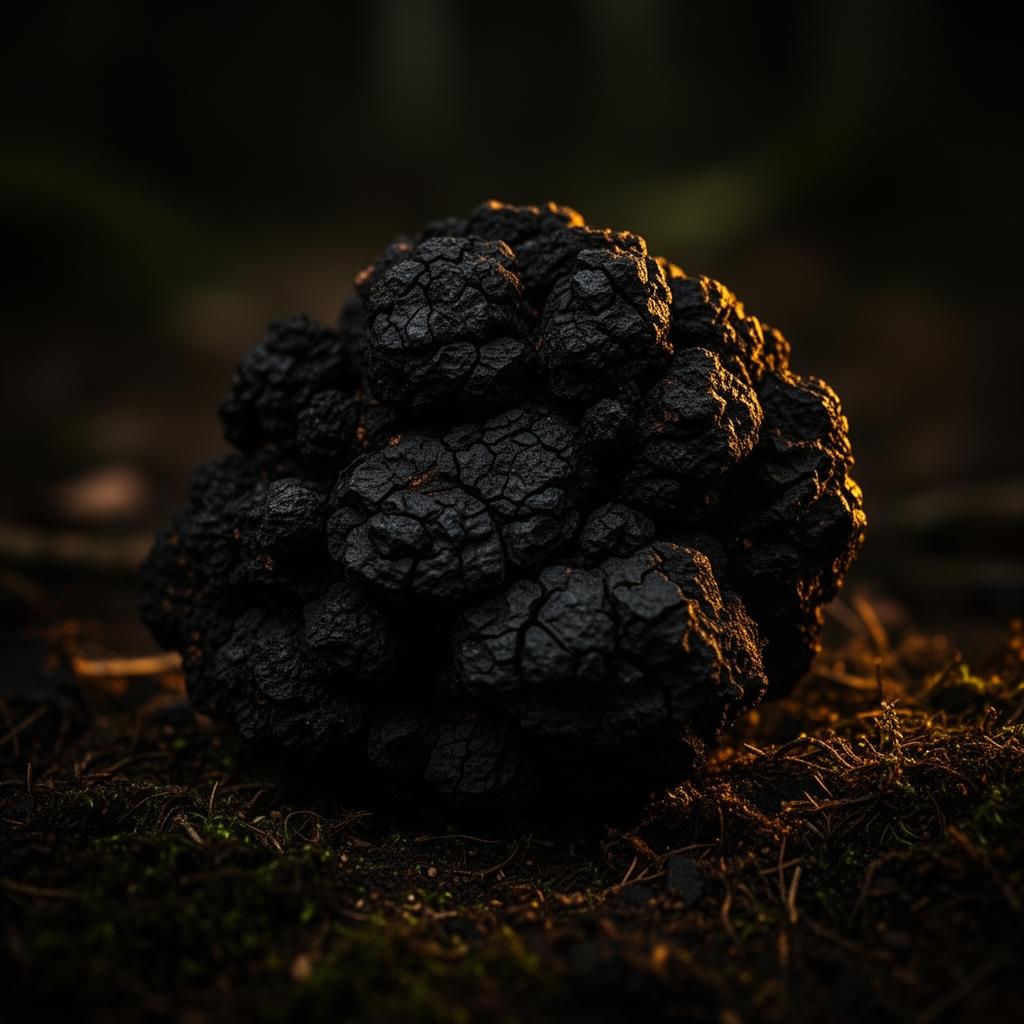
Inonotus obliquus
The Antioxidant Powerhouse
Chaga
Chaga grows as a dark, charcoal-like mass on birch trees in cold climates across Siberia, Northern Europe, and North America. Despite its unassuming appearance, Chaga contains one of the highest concentrations of antioxidants found in any natural food source.
Key Active Compounds
How It Works
Chaga's extraordinary antioxidant profile — including melanin and superoxide dismutase (SOD) — helps protect cells from oxidative stress caused by free radicals. Betulinic acid, derived from the birch trees Chaga grows on, adds another layer of bioactive support.
Primary Wellness Benefits
- Antioxidant & cellular protection
- Skin health & vitality
- Immune system support
- Overall wellness & longevity
Traditional Usage
Chaga has been used for centuries in Siberian and Northern European folk medicine, often brewed as a tea to support digestion, immunity, and overall vitality. It was traditionally known as the 'King of Mushrooms' for its broad wellness applications.
Modern Research Interest
Scientific interest in Chaga focuses on its exceptionally high ORAC (Oxygen Radical Absorbance Capacity) score and its unique combination of melanin, SOD, and betulinic acid — compounds being studied for their potential in cellular health and longevity.
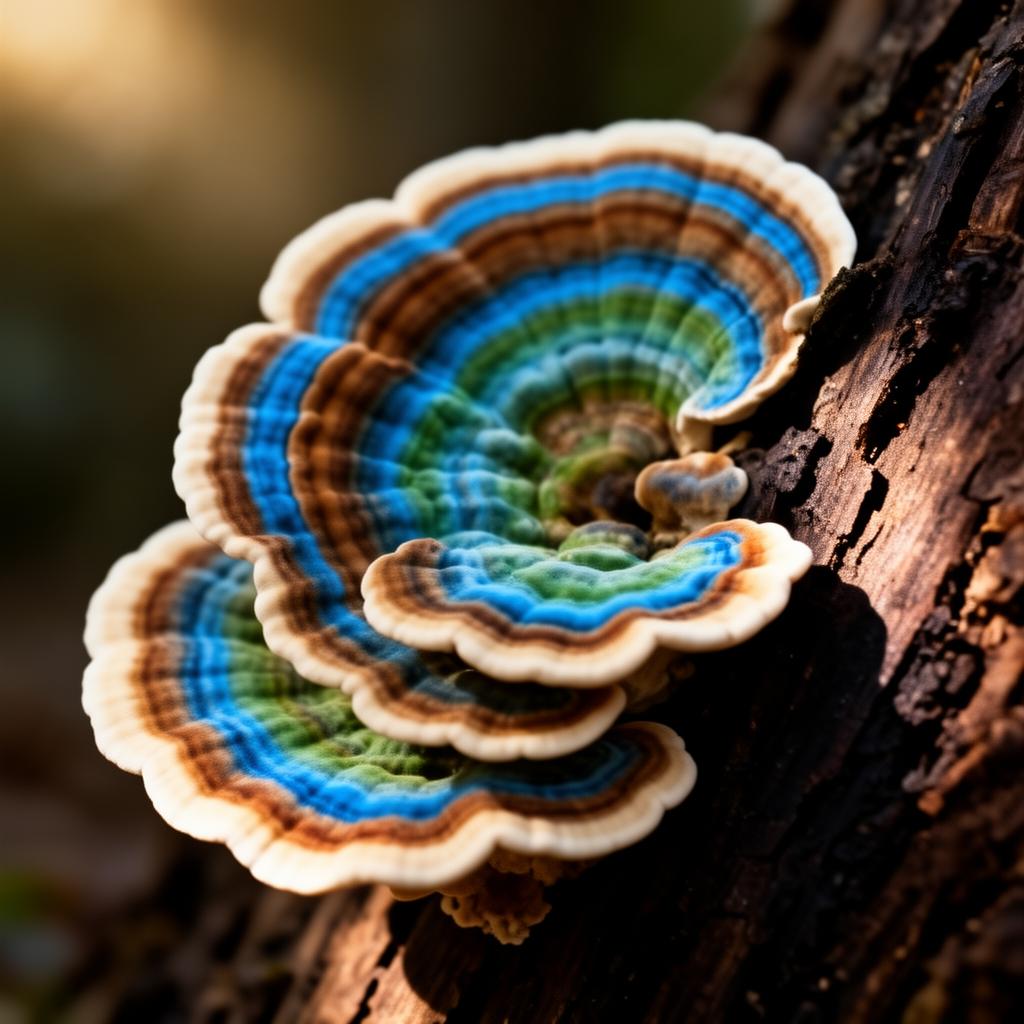
Trametes versicolor
The Gut & Immune Mushroom
Turkey Tail
Turkey Tail is one of the most well-researched mushrooms in the world, recognized by its striking concentric bands of color that resemble a wild turkey's tail feathers. It grows abundantly on fallen logs and dead trees across the globe.
Key Active Compounds
How It Works
Turkey Tail's polysaccharopeptides — PSK and PSP — are among the most studied mushroom compounds in the world. These compounds support immune cell activity and function as prebiotics, nourishing the beneficial bacteria in the gut microbiome.
Primary Wellness Benefits
- Immune system support
- Gut microbiome health
- Digestive wellness
- Overall vitality
Traditional Usage
Turkey Tail has been used in Traditional Chinese Medicine for centuries under the name 'Yun Zhi' (cloud mushroom). In Japanese medicine, extracts of Turkey Tail (PSK) have been used alongside conventional wellness protocols since the 1970s.
Modern Research Interest
Turkey Tail is one of the most clinically studied mushrooms globally. PSK, derived from Turkey Tail, has been the subject of hundreds of published studies exploring its role in immune support and gut health.
Peer-Reviewed Evidence
Published Research
The following summaries highlight key findings from peer-reviewed studies published in scientific journals. These studies represent the growing body of evidence supporting the wellness potential of functional mushrooms.
Lion's Mane
(Hericium erinaceus)3 studiesA 16-week double-blind, placebo-controlled trial in 30 Japanese men and women (ages 50–80) with mild cognitive impairment found that the group receiving Lion's Mane mushroom tablets (250 mg, 3× daily) showed significantly improved scores on cognitive function scales compared to placebo. Cognitive improvements increased with duration of intake, but scores decreased after supplementation ceased — suggesting ongoing use is beneficial.
This 2025 study examined the acute cognitive effects of a standardised Lion's Mane extract in healthy young adults. Participants receiving Lion's Mane showed improvements in processing speed and attention tasks compared to placebo within hours of supplementation, suggesting bioactive compounds may have both acute and long-term cognitive benefits.
This pilot study investigated both acute (single-dose) and chronic (28-day) effects of Lion's Mane supplementation in young adults. Chronic supplementation resulted in a significant reduction in subjective stress and improvements in cognitive task performance, supporting Lion's Mane's dual potential as both an acute cognitive enhancer and long-term adaptogen.
Reishi
(Ganoderma lucidum)3 studiesThis randomized controlled trial evaluated the immunomodulatory effects of Reishi-derived beta-glucans in healthy adult volunteers. Participants receiving the beta-glucan supplement showed enhanced natural killer (NK) cell activity and improved immune markers compared to placebo, supporting Reishi's traditional reputation as an immune-modulating adaptogen.
Published in Nature's Scientific Reports, this study identified a novel mechanism by which Reishi promotes sleep: through modulation of the gut microbiota and subsequent increases in serotonin signaling. The research demonstrated that Reishi's triterpene-rich extract significantly increased total sleep time and non-REM sleep, with the effect dependent on an intact gut microbiome — highlighting the gut-brain axis connection.
This clinical study investigated Reishi's immune-restorative properties in immunocompromised patients post-chemotherapy. Participants supplementing with Reishi broken spore powder showed improved immunoglobulin levels and quality-of-life scores, with no significant adverse effects reported — supporting both the efficacy and safety profile of Reishi supplementation.
Cordyceps
(Cordyceps militaris)3 studiesTwenty-eight participants were randomized to receive Cordyceps militaris or placebo for 3 weeks. The Cordyceps group demonstrated significant improvements in VO₂max (maximal oxygen consumption) after both 1 and 3 weeks of supplementation compared to placebo, as well as increased time to exhaustion during high-intensity exercise — supporting Cordyceps' role in enhancing aerobic capacity and exercise performance.
This study elucidated the mechanism behind Cordyceps' performance-enhancing effects. Cordycepin and adenosine — key bioactive compounds — were shown to directly promote cellular ATP (adenosine triphosphate) production and improve mitochondrial efficiency. The findings provide molecular evidence for Cordyceps' traditional use as an energy and endurance tonic.
This sports nutrition study examined chronic supplementation of a Cordyceps-containing mushroom blend on athletic performance markers. Participants showed improvements in oxygen kinetics during exercise, peak power output, and time to exhaustion, adding to the growing evidence base for Cordyceps as a natural ergogenic aid.
Chaga
(Inonotus obliquus)3 studiesThis study characterized the melanin pigments unique to Chaga mushroom and demonstrated their dual functionality: potent antioxidant activity (scavenging multiple types of free radicals) and prebiotic effects that selectively promoted the growth of beneficial Bifidobacterium species. The findings suggest Chaga melanins contribute to both cellular protection and gut microbiome health simultaneously.
Researchers demonstrated that Chaga mushroom decoction exhibited significant anti-glycation activity (inhibiting the formation of advanced glycation end products, or AGEs) alongside strong antioxidant capacity. AGEs are implicated in aging and metabolic health challenges, positioning Chaga as a potential natural agent for cellular longevity support.
This foundational study identified and characterized the specific phenolic compounds responsible for Chaga's extraordinary antioxidant capacity. Multiple phenolic acids, including protocatechuic acid, caffeic acid, and syringic acid, were isolated and shown to exhibit potent free radical-scavenging activity — establishing the chemical basis for Chaga's reputation as an antioxidant powerhouse.
Turkey Tail
(Trametes versicolor)3 studiesThis NIH-funded Phase 1 clinical trial evaluated Turkey Tail mushroom supplementation in women with breast cancer following standard treatment. The study found that Turkey Tail was well-tolerated at doses up to 9 g/day and demonstrated dose-dependent immunological improvements, including enhanced NK cell activity and increased lymphocyte counts — markers of immune system recovery after conventional treatment.
This comprehensive review examined the clinical evidence for PSK (Polysaccharide-K), a compound extracted from Turkey Tail mushroom that has been approved as an adjunctive treatment in Japan since the 1970s. The review summarized multiple randomized controlled trials demonstrating PSK's ability to improve immune markers and quality of life when used alongside conventional treatment protocols.
This Cochrane systematic review — considered the gold standard in evidence-based medicine — evaluated the totality of clinical evidence for Turkey Tail mushroom in colorectal cancer supportive care. The review catalogued the existing randomized controlled trials on PSK and PSP polysaccharides, highlighting their established role in the Japanese medical system and the need for further high-quality Western trials.
Research Disclaimer: The studies cited above are provided for educational purposes only. Individual results may vary. These summaries represent the findings of independent researchers and do not constitute medical claims by MYCOLABZ. These statements have not been evaluated by the Food and Drug Administration. Our products are not intended to diagnose, treat, cure, or prevent any disease. Always consult your healthcare provider before starting any supplement regimen.
Body & Wellness
How Mushrooms Support Your Body
Functional mushrooms don't target a single symptom — they work across multiple systems simultaneously. Their bioactive compounds interact with immune cells, nerve pathways, and metabolic processes to support whole-body wellness.*
Immune System
Beta-glucans and polysaccharides interact with immune cell receptors, supporting the body's natural defense mechanisms and balanced immune response.
Nervous System
Compounds like hericenones and erinacines in Lion's Mane support nerve growth factor production, contributing to cognitive function and mental clarity.
Stress Response
Adaptogenic mushrooms like Reishi help the body manage occasional stress by supporting the adrenal system and promoting a sense of calm balance.
Energy & Metabolism
Cordyceps supports cellular energy production (ATP) and oxygen utilization, contributing to natural stamina and endurance.
Digestive Health
Prebiotic polysaccharides in Turkey Tail and other mushrooms support gut microbiome diversity and digestive wellness.
Cellular Protection
High concentrations of antioxidants — especially in Chaga — help protect cells from oxidative stress and support longevity.
*These statements have not been evaluated by the Food and Drug Administration. These products are not intended to diagnose, treat, cure, or prevent any disease.
Heritage & Innovation
Ancient Wisdom Meets
Modern Science
The use of mushrooms for wellness is not new. For thousands of years, cultures across Asia, Siberia, and indigenous communities worldwide have incorporated functional mushrooms into their healing traditions — from Reishi tea ceremonies in ancient China to Chaga tonics in Siberian villages.
What has changed is our ability to understand why these traditions worked. Modern analytical chemistry, molecular biology, and clinical research are revealing the specific compounds and mechanisms behind centuries of observed wellness benefits.
At MYCOLABZ, we honor this heritage while embracing scientific rigor. Every product we create is informed by both traditional knowledge and contemporary research — because the best wellness solutions are born where ancient wisdom and modern science converge.
2,000+ Years Ago
Reishi documented in Chinese pharmacopoeia as the 'Mushroom of Immortality'
15th Century
Chaga used as a folk remedy across Siberia and Northern Europe
1970s
Japanese researchers begin clinical studies on Turkey Tail PSK compounds
1990s
Cordyceps gains worldwide attention after Chinese athletes' record-breaking performances
2000s–Present
Explosion of peer-reviewed research on mushroom beta-glucans, hericenones, and triterpenes
Experience the Difference
Science-Backed Wellness,
Rooted in Nature
Every MYCOLABZ product is formulated with the same compounds and species you've learned about on this page — sourced responsibly, extracted carefully, and tested rigorously.
Explore Our ProductsMYCOLABZ